Highlights
-
Normal Milestone: Separation anxiety is a healthy, natural sign of strong emotional attachment.
-
Predictable Routines: Consistent goodbye rituals provide comfort and security during morning transitions.
-
Teacher Collaboration: Partnering closely with educators helps children build trust in new environments.
-
Caregiver Confidence: Children pick up on adult emotions, making calm parental goodbyes essential.
-
Consistent Reassurance: Clear, prompt exits prevent prolonged distress and foster emotional independence.
-
Gradual Adjustment: Attending local preschools offers structured spaces where children learn coping mechanisms over time.
Is Separation Anxiety a Normal Part of Early Child Development?
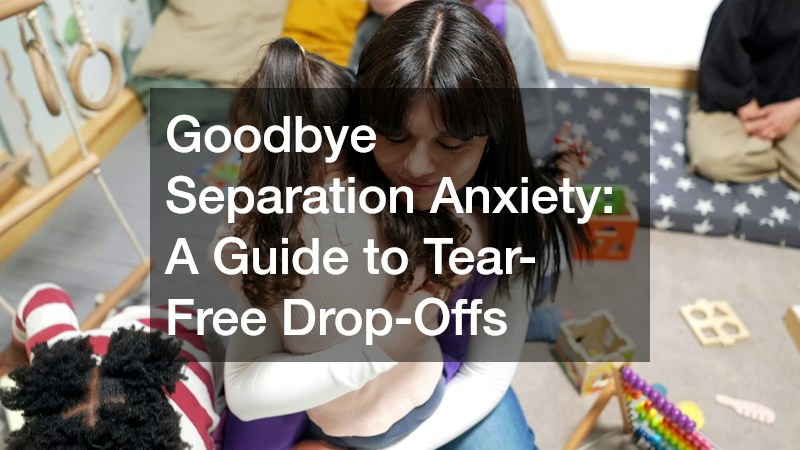
Experiencing distress during drop-off is a completely normal, healthy milestone in early childhood development. When young children cry, cling, or display hesitation upon entering classroom environments, they are demonstrating a strong emotional attachment to their primary caregivers.
This behavior typically peaks between 18 months and three years of age as toddlers begin navigating independent social spaces. Recognizing that this reaction stems from security rather than misbehavior allows parents to respond with empathy and calm guidance. Understanding that distress passes as children adapt builds confidence for both parents and young learners during the transition process.
How Can Parents Prepare Children Before the First Drop-Off?
Preparation begins well before stepping through the school doors on the first morning. Establishing familiar routines at home and talking positively about upcoming daily activities creates a sense of safety and predictability. Early childhood research highlights that introducing unfamiliar concepts through books, visual schedules, and role-playing eases emotional stress. According to guidance on developmental milestones from the American Academy of Pediatrics (AAP), clear communication and familiar transition objects help toddlers manage social-emotional shifts effectively.
Key preparation strategies include:
-
Visual Schedules: Creating simple picture charts depicting morning steps, from breakfast to classroom arrival.
-
Positive Storytelling: Reading books about school routines to normalize classroom experiences and expectations.
-
Practice Separations: Arranging short practice visits with trusted family members or caregivers to build confidence.
-
Comfort Items: Allowing a child to carry a small, approved transitional object like a blanket or family photo.
What Makes an Effective Goodbye Ritual During Morning Drop-Off?
A brief, loving, and consistent goodbye ritual is the most effective way to minimize tearful drop-offs. Prolonging departure or lingering when a child shows distress often increases anxiety for both parent and child. Establishing a specific routine—such as a special hug, high-five, or secret handshake—gives the child a clear signal that it is time to transition into the classroom. Furthermore, early education benchmarks published by the National Association for the Education of Young Children (NAEYC) emphasize that positive educator-parent collaboration during arrival routines fosters emotional regulation and resilience in young children.
Effective departure habits include:
-
Short and Sweet: Keeping goodbyes brief to avoid building tension or uncertainty.
-
Clear Reassurance: Confidently stating when you will return, referencing familiar daily events like “after storytime.”
-
Never Sneaking Away: Always saying goodbye clearly so the child builds trust rather than fearing sudden disappearance.
-
Warm Educator Hand-off: Partnering directly with classroom staff to transition the child into an engaging activity immediately.
How Do Educators and Classroom Environments Support Anxious Children?
Trained early childhood educators specialize in guiding young children through morning drop-off distress with warmth, distraction, and structured activities. Upon arrival, teachers redirect a child’s focus toward engaging sensory tables, art projects, or play centers. Additionally, analytical reports from early childhood research initiatives at the Urban Institute show that high-quality learning environments yield the greatest emotional benefits when teachers maintain low child-to-staff ratios and warm, responsive interactions. Enrolling in reputable preschools ensures that children receive individualized emotional guidance while learning peer interaction and group routines.
What Should Caregivers Avoid Doing During Difficult Drop-Offs?
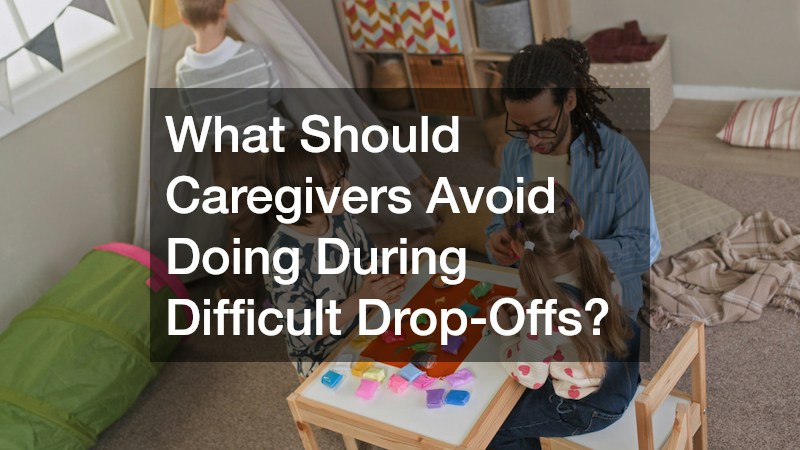
How parents handle drop-off challenges directly influences how quickly children adjust to their new routine. Displaying visible anxiety, hesitation, or sadness can unintentionally signal to the child that the environment is unsafe. Additionally, bargaining, making unrealistic promises, or returning to the classroom after saying goodbye creates confusion and resets the transition process. Staying calm, projecting confident body language, and trusting the classroom staff helps children feel secure and understand that school is a safe, predictable place.
Navigating separation anxiety requires patience, consistency, and confidence from parents and educators alike. By establishing predictable goodbye rituals, communicating openly, and trusting classroom professionals, families can transform stressful mornings into confident drop-offs. Over time, children build resilience, gain independence, and embrace learning with enthusiasm.