
This article explores the intricate process undertaken by skilled artisans to create a custom headstone. Every step, from design to completion, is crafted with precision to honor loved ones. Creating a headstone is an art form requiring attention to detail and respect for the deceased.
Professional makers ensure every detail is perfect and aligns with the family’s preferences. Let’s explore how these lasting tributes are crafted.
What materials are commonly used for headstones?
Granite
Granite is favored for its durability and aesthetic appeal. Available in various colors, it offers a personalized touch and resists harsh weather, making it a preferred choice. Artisans select high-quality granite from reputable suppliers for longevity and beauty, memorializing a loved one’s legacy.
Marble
Marble is revered for its elegance and veining pattern. Although it requires more maintenance than granite, its timeless beauty is highly valued. Artisans skillfully craft with marble, showcasing its natural appeal.
Bronze
Bronze, with its regal look, is often used for plaques. It develops a patina over time, adding character. Combined with other materials, bronze creates sophisticated and enduring memorials, with artisans achieving high levels of personalization.
Limestone
Limestone offers a natural look and is easier to engrave. It requires sealing for protection due to its porosity. Artisans use limestone to craft simple and elegant designs.
Fieldstone
Fieldstone is valued for its rustic charm, providing unique personal touches. Each piece is distinctive, offering an organic and unpolished appeal. Artisans creatively blend fieldstone with other materials or use it alone to emphasize natural beauty.
How does the design process work?
Initial Consultation
The process begins with an initial consultation where families share their desires and stories. Artisans listen carefully to create a meaningful tribute that reflects the individual’s spirit.
Conceptual Design
Artisans craft a conceptual design incorporating the family’s inputs. This stage involves sketching and refining ideas to achieve the perfect vision, with ongoing family collaboration.
Computer-Aided Design (CAD)
CAD technology brings designs to life with high accuracy, facilitating precise measurements and visualizations. It ensures a seamless transition from imagination to reality.
Design Approval
Families review and approve the CAD designs, ensuring all elements reflect their wishes. This stage guarantees satisfaction before proceeding to fabrication.
Finalizing Specifications
After approval, final specifications detail material choices and inscriptions. These guide artisans as they transition from design to creation, ensuring a coherent outcome.
What are the engraving techniques used?
Sandblasting
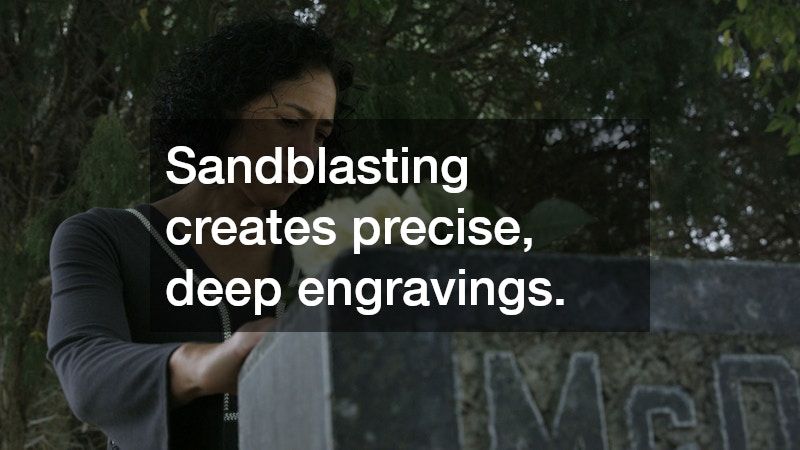
Sandblasting creates precise, deep engravings. Using templates, artisans ensure accuracy for vivid designs that merge traditional techniques with modern technology.
Laser Engraving
Laser engraving produces detailed images without compromising material integrity, allowing high customization and inclusion of complex designs.
Etching
Etching uses chemicals or tools for intricate designs, offering superior detail for realistic portraits and inscriptions.
Hand Carving
Hand carving celebrates the artistry of skilled craftsmen, allowing unparalleled customization and uniqueness.
Ceramic Photo Inlays
Ceramic photo inlays preserve photographs in vivid detail, ensuring enduring visibility. Families select meaningful images to highlight their loved ones’ essence.
How is quality ensured during the headstone-making process?
Material Selection
Choosing the right materials ensures durability and beauty. Artisans source premium stone, impacting every subsequent step of the process.
Detailed Craftsmanship
Craftsmanship is key, requiring skill and precision. Artisans balance tradition with innovation for artful and timeless headstones.
Quality Control Checks
Quality control ensures all standards are met, with inspections covering every aspect from inscriptions to finishes.
Feedback and Adjustments
Family feedback allows for adjustments, ensuring satisfaction and alignment with their vision.
Final Inspection
A final inspection confirms all specifications are met before installation, ensuring the headstone’s quality and readiness.
What options are available for personalization?
Unique Shapes and Designs
Families choose distinctive designs that capture their loved ones’ essence, creating one-of-a-kind tributes.
Customized Text and Fonts
Inscriptions convey messages of love and remembrance, transforming the headstone into a narrative of the commemorated life.
Inclusion of Symbols and Icons
Symbols and icons represent personal beliefs or hobbies, adding depth and connection to the headstone.
Integration of QR Codes
QR codes link to digital memorials, offering an interactive experience and deeper engagement with the deceased’s story.
Specialty Finishes
Specialty finishes enhance durability and aesthetic. Artisans apply finishes to complement the stone’s beauty and the family’s preferences.
Creating a custom headstone blends artistry and personal service. By exploring materials, design, and personalization, families ensure their loved ones are commemorated meaningfully. Artisans provide expertise and empathy during times of grief, producing tributes that stand as enduring testaments to life’s journey.